How to Check a Used Car's History Before Buying
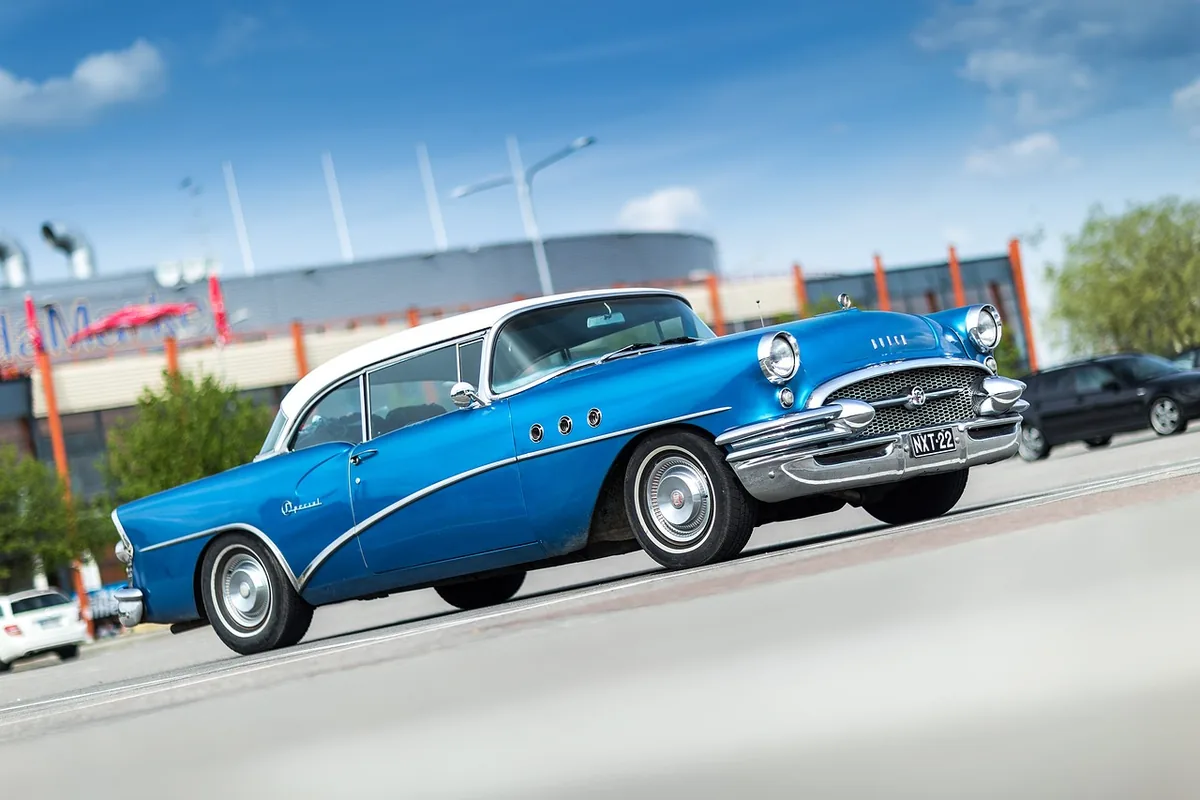
Buying a used car without knowing where it has been is one of the most common ways buyers end up with expensive problems. Whether you are scrolling through used car listings online or walking onto a dealership lot, a clear history helps you decide whether a vehicle is worth negotiating for or better left alone. A history check does not guarantee a good car, but it can reveal ownership problems, hidden damage and legal issues that the seller may not mention. This guide explains what to check, how to check it, and what to watch for.
Why a History Check Matters
A used car's price reflects its age, mileage and condition, but none of those things tell you whether the car is legally yours to buy once you pay. A vehicle can be financed and still owed to a bank, reported stolen, or written off by an insurer after a serious accident and then repaired and returned to the road. Each of these situations can cost you the car, your money or both.
A history check also shows you how the car was used. A vehicle that has changed hands many times in a short period, or that has been registered in several provinces, may have a story the advertisement does not tell. None of this proves that a car is a bad buy, but it gives you questions to ask before you commit.
Verify the Paperwork and the Vehicle Identity
Start with the documents, and check that they match the car in front of you. Before you look at anything else, make sure the paperwork describes the vehicle you intend to buy.
Matching the VIN and Engine Number
Every vehicle has a unique Vehicle Identification Number, usually called the VIN. It is normally stamped on the chassis, visible through the windscreen on the dashboard near the driver's side, and printed on the registration papers. The engine number is also recorded on the paperwork. Compare both against the documents line by line. If the VIN on the chassis looks scratched, re-stamped, or differs from the paperwork, walk away or get an expert to explain it before you spend anything.
Reading the Registration Papers
The registration document shows the vehicle make, model, year, colour, engine details and the registered owner. Look at the name and identity number of the seller, and confirm that the seller is the person listed as owner. If the seller is acting for someone else, ask for written authority and make sure the owner is the one signing the sale. Be cautious of any document that looks altered, has mismatched fonts, or has been replaced without a clear reason.
Run an Official and Independent History Check
Paperwork shows what the seller wants you to see. A history check looks at records held by other institutions. Use more than one source where you can, because each one covers different risks.
The most useful checks usually cover the following points:
- Outstanding finance: A car can still be owed to a bank or finance house. If the loan is not settled, the lender may have a claim on the vehicle, and you could lose it.
- Stolen status: Confirm that the vehicle is not listed as stolen or recovered with an unresolved status.
- Ownership history: Several owners in a short period can point to repeated resales, unpaid finance or unresolved problems.
- Write-off or salvage records: Cars declared as total losses by insurers may be repaired and returned to the road. Find out whether the vehicle has ever been written off and what was repaired.
- Odometer history: Records of previous mileage readings, such as service and licensing inspections, can show whether the odometer may have been tampered with.
- Accident and damage records: Some providers hold insurance claims and repair data, which can reveal serious collisions that were never reported to you.
Ask the seller for the vehicle's full service history as well. Dealer stamps, invoices and workshop records help confirm the odometer reading and show whether maintenance was done properly. A seller who refuses to provide any service records deserves extra caution.
Spot Signs That the History Does Not Add Up
A clean report is useful, but it should match what you see with your own eyes. Use a short inspection to test the story the documents tell.
Physical Clues on the Car
Look for uneven panel gaps, paint that does not match from one panel to the next, overspray on rubber seals or trim, and welding marks under the bonnet or along the underside. Check that the tyres are not worn unevenly, which can suggest alignment or suspension damage. Inside the car, look for signs of water in the carpets, mismatched wear on the pedals and steering wheel compared with the claimed mileage, and screws or fittings that have been disturbed.
Questions to Ask the Seller
A straight answer to a simple question tells you a lot. Ask why the car is being sold, who has driven it, whether it has ever been in an accident, and whether any repairs were done outside a workshop. Pay attention to vague answers, stories that change, and pressure to decide quickly. Honest sellers usually welcome a history check and a professional inspection, because they have nothing to hide.
Mistakes to Avoid When Reviewing a History Report
Even careful buyers make avoidable errors. Keep these points in mind as you go through the paperwork:
- Trusting a report without checking the VIN. A history report is only as good as the number used to search for it. Confirm that the VIN in the report matches the chassis and the papers.
- Assuming a clean report means no damage. Not every accident is insured or reported. Use a physical inspection to fill the gaps.
- Skipping the finance check. Buying a car with an outstanding loan can leave you in a dispute with the lender and the seller.
- Ignoring small inconsistencies. A slightly wrong colour, a missing service stamp or a mismatched date may seem minor, but these details often matter later.
- Paying a deposit before the checks are done. Complete the history check and inspection first, then agree on the price and payment terms.
Turning a Clear History into a Confident Purchase
Checking a used car's history is not a single step but a sequence of careful questions. Start with the paperwork and confirm that the VIN, engine number and registered owner match the vehicle and the seller. Then look at the records held by official and independent sources, paying particular attention to finance, stolen status, write-offs and accident history. Finish with a physical inspection and a conversation with the seller, because the car itself often tells you what the documents leave out.
When every check comes back clean and the car matches its paperwork, you can negotiate with confidence and complete the sale on secure terms. If something does not add up, it is reasonable to walk away, even if the car looks attractive. A used car is a significant purchase, and taking the time to verify its history will protect your money and save you from problems that are far harder to fix after the sale.